
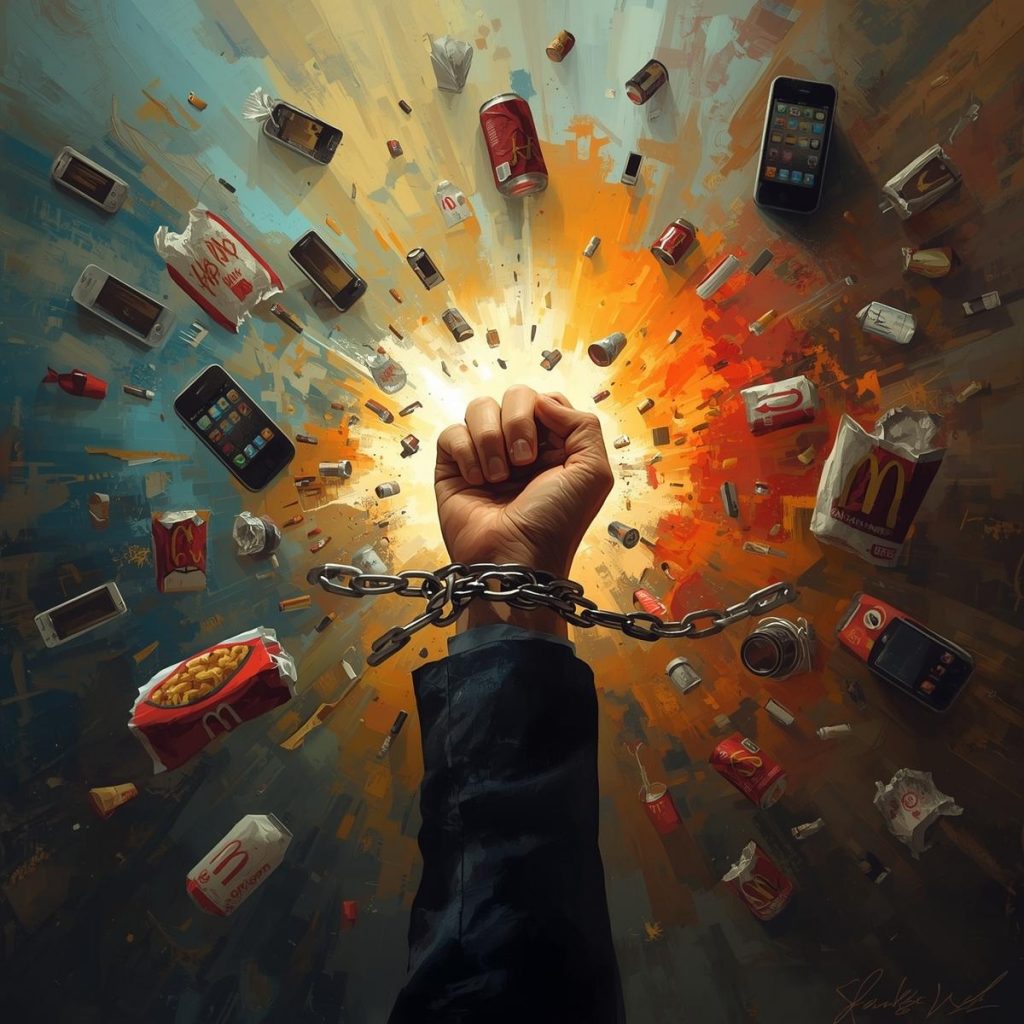
Instant gratification is everywhere—notifications, same-day deliveries, dopamine rushes from likes, quick highs, and fast comfort. For someone in recovery, the pull can feel even stronger because your brain has spent years learning to relieve pain, stress, or discomfort immediately, no matter the long-term consequences.
Breaking this cycle isn’t just a mindset shift. It’s a full rewiring of how you handle discomfort, manage expectations, and make decisions. And it takes practice—steady, compassionate, consistent practice.
This blog dives deeply into how to break this cycle at a sustainable pace, especially if you’re rebuilding your life through sobriety or living in a sober home.
1. Understanding the “Instant Gratification Loop”
Before you can break it, you have to understand it.
Instant gratification works like this:
- You feel something uncomfortable—stress, boredom, sadness, pressure.
- Your brain looks for the fastest way to stop that feeling.
- You turn to whatever worked before: substances, food, social media, risky behavior, impulsive decisions.
- You get temporary relief.
- The long-term consequences make your life harder.
- More stress comes → and the loop starts again.
In recovery, instant gratification often shows up as:
- Wanting quick emotional relief
- Avoiding difficult conversations
- Not wanting to feel boredom
- Struggling with waiting for progress
- Wanting immediate success in rebuilding your life
- Feeling frustrated when change is slow
The problem?
Instant gratification gives tiny rewards but prevents long-term healing. It keeps you stuck in short-term thinking—exactly what addiction depends on.
2. Why Instant Gratification Feels Stronger in Recovery
Recovery is emotionally intense. You’re suddenly feeling everything you spent years numbing. Your brain, still healing, craves quick relief. That’s not weakness—it’s science.
A recovering brain is rewiring.
When you remove substances, your brain is rebuilding dopamine pathways. During this time:
- Small discomfort feels bigger
- Waiting feels harder
- Patience feels impossible
- The urge for quick relief feels urgent
But here’s the hopeful part:
This also means you have a huge opportunity to retrain your brain for long-term stability. Every healthy choice, even tiny ones, strengthens your ability to delay gratification.
3. Signs You’re Stuck in the Instant Gratification Cycle
You might be dealing with this cycle if you notice:
- You often say, “I’ll deal with it later.”
- You make decisions based on feelings, not values.
- You avoid tasks that require patience.
- You feel restless or irritated when results aren’t immediate.
- You struggle with routines or consistency.
- You chase emotional highs—praise, attention, excitement.
This cycle can keep you from rebuilding your life, even if you’re sober. The goal isn’t perfection—it’s awareness.
4. The Power of Delayed Gratification in Sobriety
Breaking the instant gratification cycle isn’t about depriving yourself. It’s about shifting from:
“I want comfort now.”
to
“I want something meaningful later.”
Delayed gratification helps you:
- Make decisions based on your values
- Build self-respect
- Strengthen discipline
- Reduce impulsiveness
- Become more patient
- Experience real satisfaction
- Create long-term stability
It’s a slow but life-changing skill.
5. Practical Strategies to Break the Cycle
A. The 10-Minute Rule
When you feel the urge to act impulsively—sit for 10 minutes.
Not to distract.
Not to suppress.
Just to wait.
Your craving, impulse, or urge will naturally weaken.
You’re teaching your brain:
“I can wait. I don’t need immediate relief to be okay.”
B. Replace urges with “micro-wins”
Instead of trying to jump from impulsive to perfectly disciplined, start with tiny wins:
- Make your bed
- Drink water
- Take a 5-minute walk
- Do one task on your list
- Practice a grounding breath
Micro-wins give your brain a healthier form of dopamine.
C. Set “future-based goals,” not emotional goals
Instead of:
- “I want to feel better right now.”
Try:
- “I want to build a life I’m proud of.”
Your cravings thrive on emotional goals.
Your recovery thrives on future goals.
D. Create structured routines
Structure removes 50% of impulsive decision-making.
When you know what your morning, afternoon, and evening look like, it becomes easier to delay urges and harder to fall into old patterns.
E. Practice “productive discomfort”
This means intentionally doing something slightly uncomfortable each day:
- Holding silence instead of filling it
- Finishing a task before relaxing
- Saying no even when it’s hard
- Walking away from arguments
- Sitting with emotions
Discomfort becomes less scary the more you practice it.
6. How Sober Living Helps Break the Cycle
Sober living homes are designed to help break instant gratification habits. They offer:
- Accountability
- Structure
- Daily routines
- Community expectations
- Shared goals
- Healthy habits
- Slower, steadier pace
In sober living, you learn:
- How to wait
- How to manage your time
- How to follow rules
- How to think long-term
- How to work toward goals slowly
This environment is the opposite of instant gratification—and that’s why it’s powerful.
7. Rebuilding Your Ability to Wait
Learning patience is emotional weightlifting. You start small, build slowly, and grow stronger.
Try these:
A. Celebrate slow progress
Every time you do something the “slow way,” you’re strengthening self-control.
B. Reward long-term decisions
After saving money, completing a week of chores, hitting a goal—
reward yourself in a healthy way.
C. Track long-term wins
You need proof that slow progress works.
Track things like:
- Days sober
- Money saved
- Goals accomplished
- Tasks completed
- New habits formed
Seeing growth reduces the temptation to seek quick comfort.
8. Learning to Tolerate Uncomfortable Emotions
Instant gratification exists because discomfort feels intolerable.
The real skill is not avoiding discomfort but learning to tolerate it without panicking.
Here’s how you practice:
- Name the emotion
- Sit with it
- Breathe through it
- Remind yourself it’s temporary
- Let it pass without reacting
You don’t need to act on discomfort.
You just need to survive it.
And you can.
9. Redefining Satisfaction
True satisfaction is:
- Stable
- Grounded
- Meaningful
- Earned
- Long-lasting
Instant gratification gives you a spark.
Real gratification gives you a flame.
When you start choosing long-term rewards, your life begins to change:
- You feel proud of your decisions
- You trust yourself more
- You become more resilient
- You build confidence
- You rely less on external comfort
This is the foundation of long-term sobriety.
10. Final Thought: You’re Not Behind—You’re Rewiring
Breaking the cycle of instant gratification doesn’t mean becoming emotionless or never wanting comfort again.
It means learning that:
- You can wait
- You can handle discomfort
- You can choose your future
- You can think before acting
- You can trust yourself again
This isn’t about fixing yourself.
It’s about growing yourself.
Every time you resist the urge for quick relief, you’re building a stronger, more stable version of you—one who is capable, grounded, and fully alive.
Sobriety is not about perfection.
It’s about direction.
And this direction matters.